
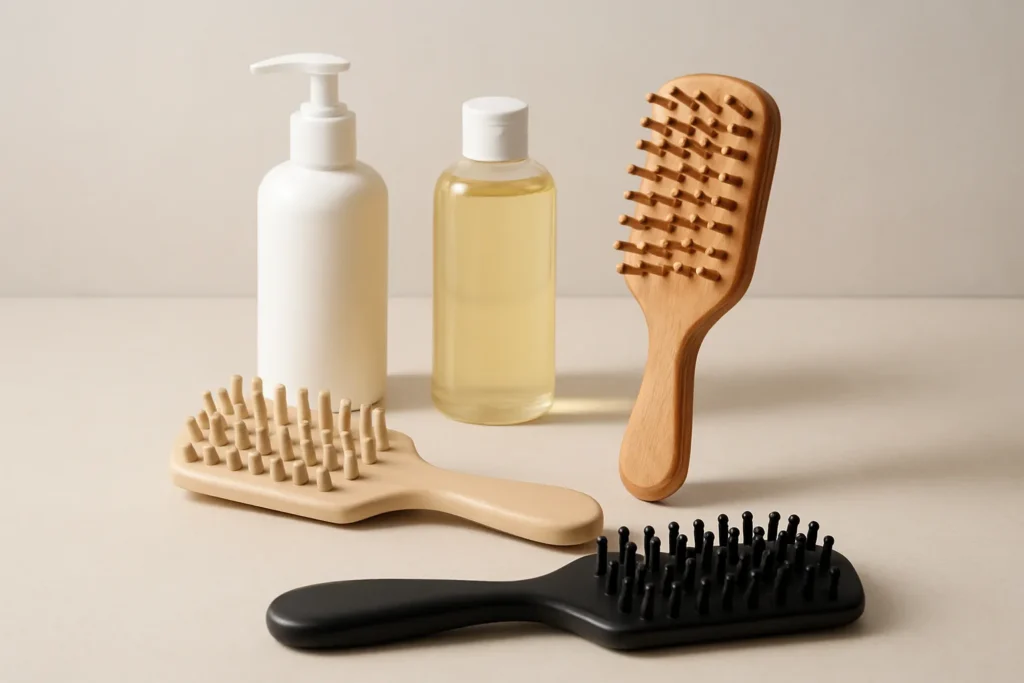
Unlocking the Benefits of Massage Combs in Hair Care
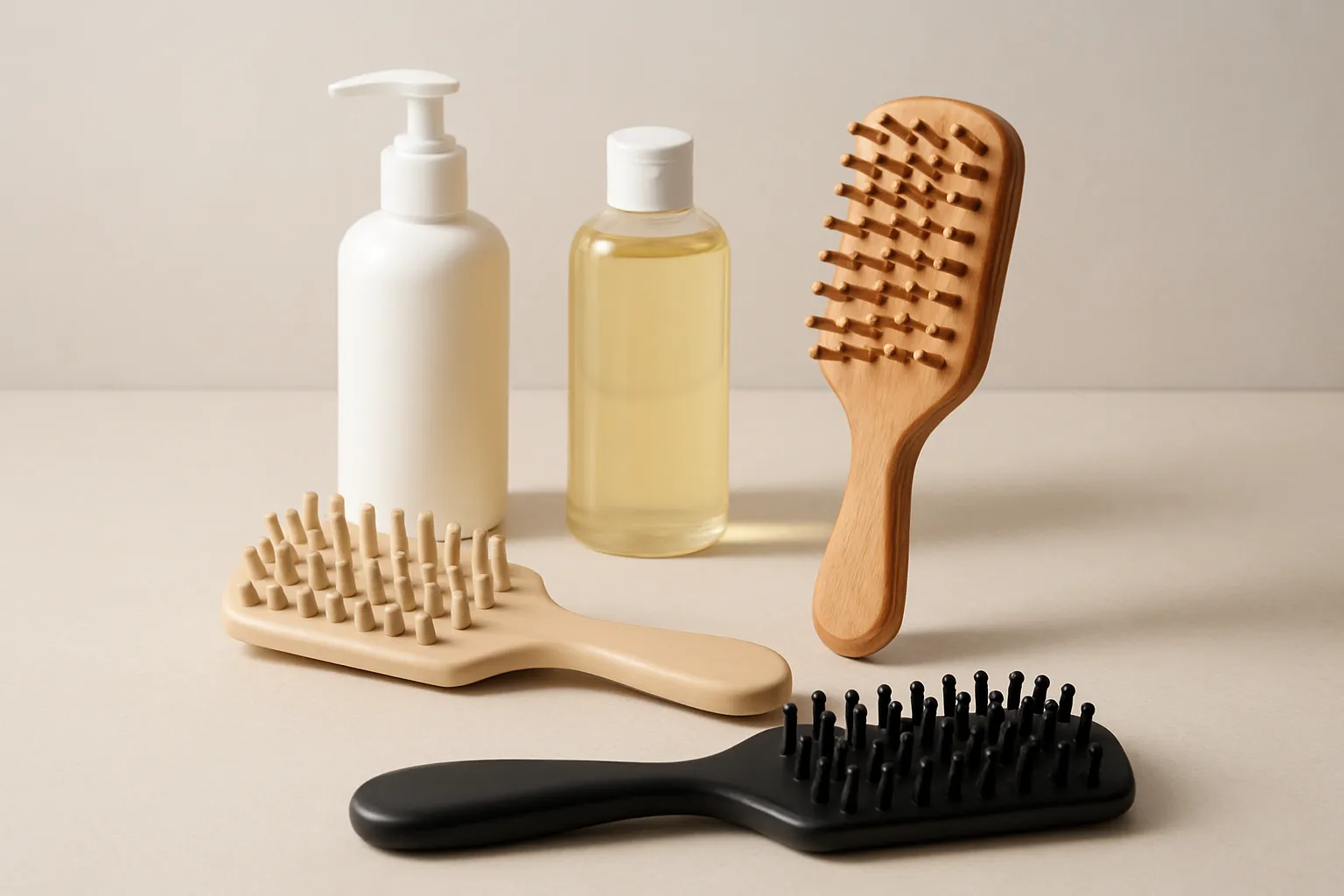
In recent years, the beauty industry has experienced a remarkable evolution, particularly in the realm of hair care products. Among these innovations, massage combs have emerged as essential tools that go beyond mere detangling; they actively promote scalp health and overall hair vitality. This article delves into the significance of massage combs in the broader landscape of hair care products, particularly for retailers eager to expand their offerings and meet the shifting preferences of consumers.
Specifications of Massage Combs
To effectively market massage combs, it is vital to grasp their specifications. These details can significantly impact purchasing decisions and shape consumer preferences.
- Materials Used: Massage combs are crafted from a variety of materials such as plastic, wood, and bamboo. Each material presents unique advantages; for example, wooden combs are prized for their durability and natural anti-static properties. Plastic options are lightweight and easy to maintain.
- Design Features: The design of massage combs often incorporates rounded teeth or bristles that gently massage the scalp while effectively detangling hair. Some models even feature ergonomic handles for a comfortable grip, enhancing the user experience. Specific designs may include unique patterns or textures that amplify their massaging effects.
- Size and Shape Variations: Available in various sizes and shapes, massage combs cater to different hair types and styling preferences. Retailers should consider providing a diverse selection, including wide-toothed combs for thicker hair and smaller, finer-toothed options for delicate strands.
Benefits of Massage Combs
The advantages of using massage combs extend well beyond aesthetics; they play a critical role in promoting scalp and hair health.
- Scalp Stimulation: Regular use of massage combs stimulates the scalp, fostering the production of natural oils that keep hair healthy and moisturized. This stimulation can also help alleviate dryness and flakiness, leading to a healthier scalp environment.
- Improved Blood Circulation: The massaging action of these combs enhances blood circulation to the scalp, which can result in healthier hair growth. Improved circulation ensures that hair follicles receive essential nutrients, contributing to stronger, shinier hair.
- Stress Relief and Relaxation: Beyond their physical benefits, massage combs offer a soothing experience that can help reduce stress and promote relaxation. Retailers can effectively market this aspect to consumers looking for holistic wellness solutions.
Use Cases for Retailers
Understanding the target market and employing effective marketing strategies is crucial for retailers aiming to capitalize on the rising popularity of massage combs.
- Target Markets for Massage Combs: Massage combs appeal to a wide range of consumers, including those invested in natural hair care, wellness enthusiasts, and individuals seeking to improve their hair’s overall health. Retailers should tailor their marketing efforts to reach these diverse demographics effectively.
- Integration with Other Hair Care Products: Retailers can boost sales by bundling massage combs with complementary hair care products, such as shampoos, conditioners, and scalp treatments. This strategy not only increases the average transaction value but also encourages customers to adopt a holistic hair care routine.
- Seasonal Promotions and Marketing Strategies: Leveraging seasonal trends can significantly enhance sales of massage combs. For instance, offering promotions during the holiday season or back-to-school sales can attract customers seeking thoughtful gifts or personal care items.
Comparisons with Other Hair Care Tools
To effectively position massage combs in the market, retailers should understand how they stack up against other hair care tools.
- Massage Combs vs. Traditional Combs: While traditional combs primarily focus on detangling, massage combs offer additional benefits by stimulating the scalp. This unique feature can serve as a significant selling point for retailers.
- Massage Combs vs. Brushes: Brushes are commonly used for styling and finishing, whereas massage combs emphasize scalp health and detangling. Retailers can highlight these distinctions to assist consumers in selecting the right tool for their specific needs.
- Effectiveness in Different Hair Types: Massage combs are effective across all hair types, but their design may cater more specifically to certain textures. Retailers should educate customers on how to select the most suitable comb based on their hair type to enhance user satisfaction.
Sourcing Massage Combs
Finding reliable suppliers and ensuring product quality is paramount for retailers planning to sell massage combs.
- Finding Reliable Suppliers: Retailers should seek suppliers with a proven track record in producing high-quality hair care products. Attending trade shows and utilizing online platforms can assist in identifying potential partners.
- Quality Control Considerations: Ensuring that massage combs meet safety and quality standards is essential. Retailers should implement quality control measures, including product testing and customer feedback analysis, to maintain product integrity.
- Cost Analysis and Pricing Strategies: Conducting a thorough cost analysis will help retailers establish competitive pricing for massage combs. Providing a range of price points can cater to diverse consumer segments, from budget-conscious shoppers to those seeking premium products.
Implementation in Retail Settings
Once retailers have sourced their massage combs, effective implementation in retail settings is crucial for success.
- Display and Merchandising Tips: Crafting attractive displays that highlight the benefits of massage combs can draw in customers. Utilizing eye-catching signage and strategically placing the combs near complementary products can enhance visibility.
- Training Staff on Product Benefits: Equipping staff members with knowledge about the benefits and features of massage combs empowers them to engage customers effectively. Providing training sessions can significantly enhance the overall shopping experience.
- Customer Engagement Strategies: Engaging customers through demonstrations or educational workshops can foster loyalty and encourage purchases. Retailers should consider hosting events that allow customers to experience the benefits of massage combs firsthand.
Frequently Asked Questions
Addressing common concerns can help mitigate potential barriers to purchase for retailers and consumers alike.
- Common Concerns from Retailers: Retailers may question the demand for massage combs or how to market them effectively. Providing data on current trends and consumer preferences can help alleviate these concerns.
- Addressing Customer Queries: Retailers should be prepared to answer questions about the proper use and maintenance of massage combs. Clear communication can enhance customer satisfaction and reduce return rates.
- Best Practices for Selling Massage Combs: Offering incentives for first-time buyers or loyalty programs for repeat customers can be effective. Highlighting customer testimonials and reviews can also build trust and encourage sales.
Conclusion
As the hair care industry continues to evolve, massage combs present a unique opportunity for retailers to enrich their product offerings. By understanding the specifications, benefits, and effective marketing strategies associated with massage combs, retailers can position themselves to meet the growing demand for innovative hair care products. With the right approach, massage combs can become a staple in any retailer’s inventory, catering to consumers seeking both beauty and wellness solutions.